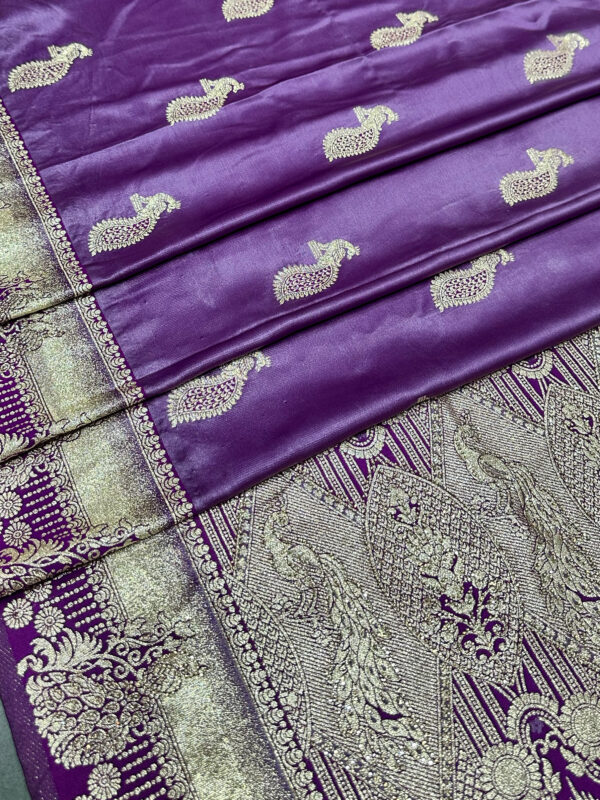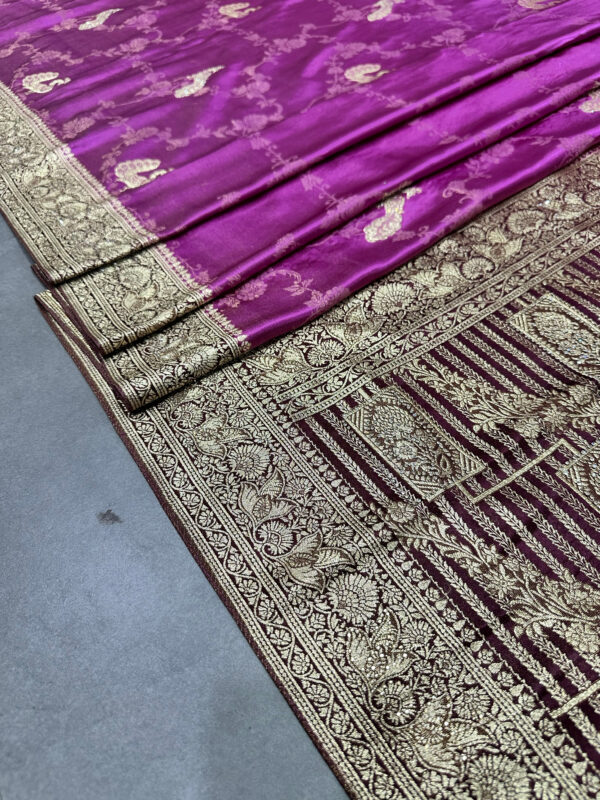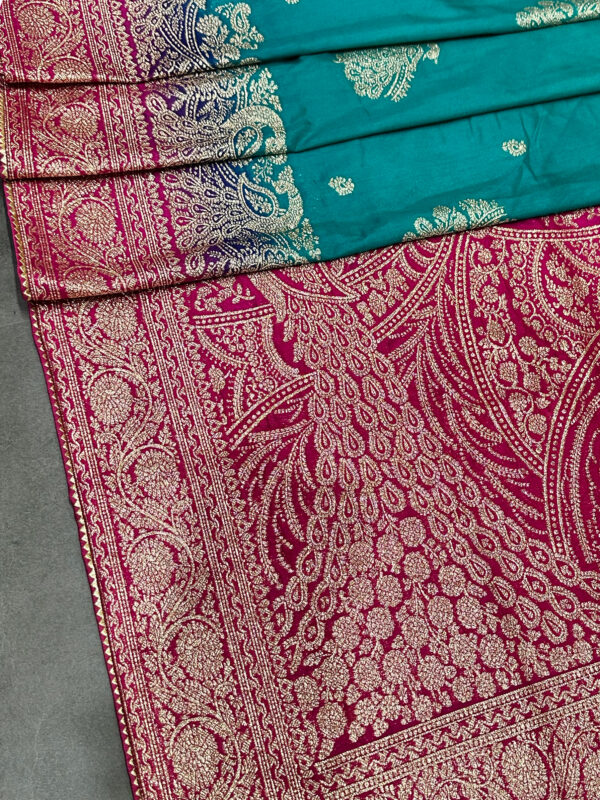

A Saree Business from Home 2026 isn’t a side hustle anymore — thousands of women, and a growing number of men, are running it as a real, scalable income source. Through WhatsApp groups, Instagram pages, Facebook Marketplace, and local exhibitions, a home-based saree business can realistically generate ₹50,000–₹1,00,000 a month once it’s established — with scaled, multi-channel sellers pushing well beyond that, provided the sourcing strategy is right.
The biggest hurdle for anyone starting a saree business from home is sourcing — finding genuine wholesale stock without travelling to Surat or overpaying a catalogue-based middleman. This guide covers everything you need to launch a home-based saree business in 2026, including exactly how Navaarth helps home sellers source wholesale sarees directly from Surat.
- Define your niche and target customer
- Source the right stock
- Choose your selling platforms
- Price your sarees for profit
- Manage stock like a pro
- Build repeat customers
Step 1: Define Your Niche for Your Saree Business from Home
The most successful home-based saree sellers don’t try to sell everything to everyone. They dominate one niche. Before sourcing your first order, answer these four questions:
- Who is your primary customer? Working women, housewives, college girls, brides, or festive buyers.
- What is their budget? ₹500–1,500 (mass market), ₹1,500–5,000 (mid segment), or ₹5,000+ (premium).
- What occasions do they shop for? Daily wear, office wear, parties, weddings, puja, or gifting.
- What does your city or neighbourhood prefer? Synthetic, cotton, silk, printed, or embroidered sarees.
Once your niche is clear, buying decisions get sharper. You waste less money on designs that don’t fit your audience, and your inventory turns faster with better margins.
Step 2: Source Wholesale Sarees for Your Saree Business from Home
Your supplier defines your success. New sellers often make one of two mistakes: buying from local distributors at inflated margins, or ordering from wholesale apps with inconsistent quality and zero accountability.
The smarter move for anyone starting a saree business from home is sourcing directly from Surat, India’s wholesale textile hub — where you get the best prices, freshest designs, and widest variety.
This is where Navaarth changes the equation. Instead of spending ₹10,000–₹20,000 on a Surat trip — travel, stay, food, and lost work days — you book a free video call with Navaarth. Our team shows you 600+ live designs from our Surat warehouse in real time, helps you choose stock suited to your city and customer profile, and dispatches only after a pre-dispatch confirmation call.
You get genuine wholesale saree prices, direct from Surat, without leaving home.
Step 3: Choose the Right Platforms to Sell Sarees Online and Offline
Home-based saree businesses thrive across multiple channels. Here’s where to focus:
WhatsApp Business
Set up a professional WhatsApp Business profile with your brand name, logo, and catalogue. Use broadcast lists to reach every customer when new stock arrives, and post daily on WhatsApp Status — it builds urgency and keeps you visible.
Instagram and Facebook
Reels showing printed sarees and other pieces being draped or worn get strong organic reach. Post 3–4 times a week using hashtags like #WholesaleSarees #SuratSarees #SareeOfTheDay #HandloomSaree, plus location tags for your city to pull in local buyers.
Local Facebook Groups
Join buy-sell groups in your city and post new arrivals honestly, with clear pricing. A reputation for transparency is what keeps local communities coming back to the same seller.
Home Exhibitions
Host a saree viewing event at home once a month. Invite 20–30 women from your network, set up a display, offer chai, and let them touch and feel the fabric. This format alone often sells 30–50% of your stock in a single session.
Step 4: Price Your Sarees for Maximum Profit
A simple, proven pricing formula for a Saree Business from Home 2026:
| Category | Recommended Margin |
|---|---|
| Standard selling price | Cost price + 35–50% margin |
| Premium or designer pieces | Cost price + 60–80% margin |
| Festive discounts (Navratri, Diwali, Dussehra, Eid) | 5–10% off to drive volume, not profit loss |
Never price below cost — not even on old stock. Exchange it instead of discounting it away.
Step 5: Manage Your Stock Like a Pro
Dead stock is the silent killer of home saree businesses. You over-order one design, it doesn’t move, and ₹20,000 of your capital sits stuck on a shelf.
- Your capital stays liquid and working for your business
- Your stock always looks fresh and current to customers
- You can take calculated risks on new design trends without fear of permanent loss
- You never have to discount your way out of a bad stock decision
Step 6: Build Repeat Customers Through Trust and Service
Saree selling is a relationship business. A customer who buys from you today should come back for every festival, every occasion, every season. Build that loyalty by:
- Being honest about fabric quality — no overpromising, no misleading descriptions
- Remembering regular customers’ preferences and reaching out when matching stock arrives
- Sharing behind-the-scenes content — your Navaarth video calls, how you select stock — to build authentic trust
- Resolving complaints quickly and generously — one well-handled complaint creates a loyal customer for years
The most profitable home saree businesses run on two things: fresh stock from a reliable source, and loyal customers who trust your curation. Navaarth powers the first. Your service builds the second.
Start Your Saree Business from Home 2026 with Navaarth
600+ live designs, direct from Surat, over a free video call — with a 35-day exchange policy backing every order.
Book a Video Call on WhatsAppFAQs: Saree Business from Home 2026
Q1. Is it profitable to start a saree business from home in 2026?
Yes. Home-based saree sellers with a clear niche and a reliable wholesale source typically earn ₹50,000–₹1,00,000 a month once established, with scaled, multi-channel sellers earning significantly more depending on city and customer base.
Q2. How much capital do I need to start a saree business from home?
Most home-based saree resellers start with ₹1–3 lakh in initial stock — enough to build a real, sellable catalogue rather than a handful of pieces. Using an exchange-backed supplier like Navaarth reduces the risk of that capital getting stuck in unsold designs.
Q3. Do I need to visit Surat to buy wholesale sarees?
No. Platforms like Navaarth let you view 600+ live designs over video call and buy wholesale sarees from Surat without travelling.
Q4. Which platform is best for selling sarees from home — WhatsApp or Instagram?
Most successful home sellers use both: Instagram Reels for reach and discovery, WhatsApp Business for closing sales and repeat orders.
Q5. What happens if a saree design doesn’t sell well?
With Navaarth’s 35-day stock exchange policy, unsold sarees can be exchanged for fresh designs once per order cycle, keeping your capital liquid instead of stuck on a shelf.