Saree Trends 2026 UP-Bihar buyers are actually chasing this season aren’t the same designs that moved last Diwali. Between Chhath Puja rituals, Durga Puja pandals, and a long wedding calendar, the UP-Bihar retail belt has its own festive rhythm — and stocking blind can quietly kill your margins.
At Navaarth, we manufacture directly out of Surat, and our floor tells us what’s actually selling before any trend report does. This guide breaks down what’s moving from Navaarth’s looms to UP and Bihar showrooms this year, so you can plan your festive inventory with confidence instead of guesswork.
Why UP-Bihar Buys Differently in 2026
North India, including UP and Bihar, already commands the single largest regional share of saree demand in the country — driven by a dense wedding calendar and a festival stretch that barely pauses from Teej to Diwali.
But UP-Bihar has a personality of its own. Chhath Puja — celebrated almost exclusively across eastern UP, Bihar, and Jharkhand — pulls in colour and fabric demand that other regions simply don’t see. Navaarth’s buyers in this belt tell us the same thing every season: customers here want richness they can see from three feet away, but a fabric light enough to survive a full day of puja and dancing.
That’s exactly why generic “pan-India” stocking plans underperform here. Here are the five Navaarth categories actually shaping Saree Trends 2026 UP-Bihar retailers should build their pre-festive order around.
1. Printed Sarees — Built for Reels, Priced for Volume
Your customers’ customers are shopping through Instagram and WhatsApp reels before they ever step into your showroom. Navaarth’s printed sarees are trending for exactly that reason — oversized florals, jaal motifs, and scenic pallu prints photograph sharp on a phone camera, which means your retailers can resell them faster with almost zero styling effort.
Why UP-Bihar retailers stock them
- Fast-moving, high-repeat category for everyday and Puja-season selling
- Works across age groups — soft prints for older buyers, bold prints for younger ones
- Lower price point keeps volume high through lean months between festivals
2. Satin Silk Sarees — The Diwali Evening Staple
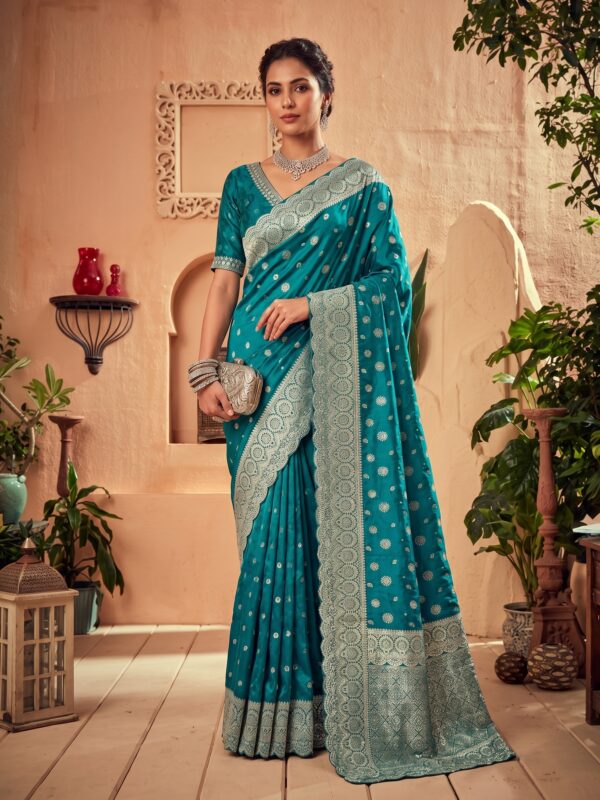
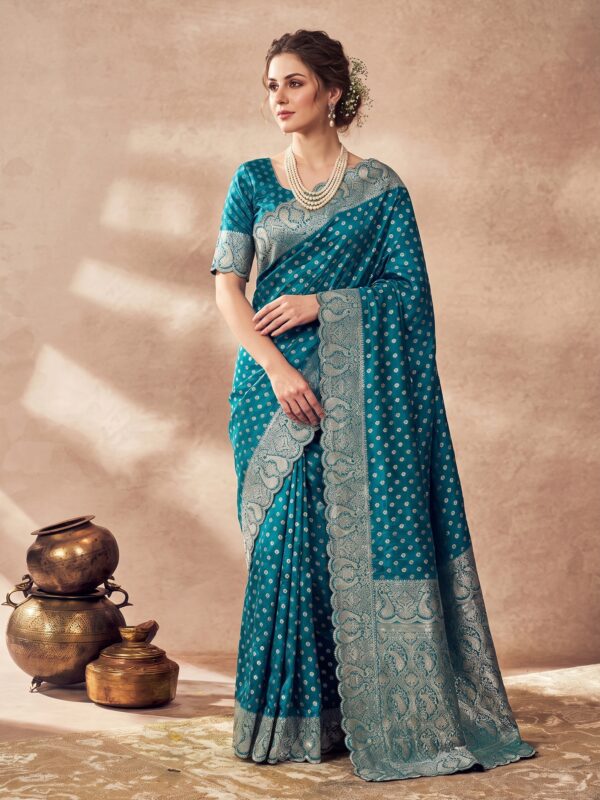
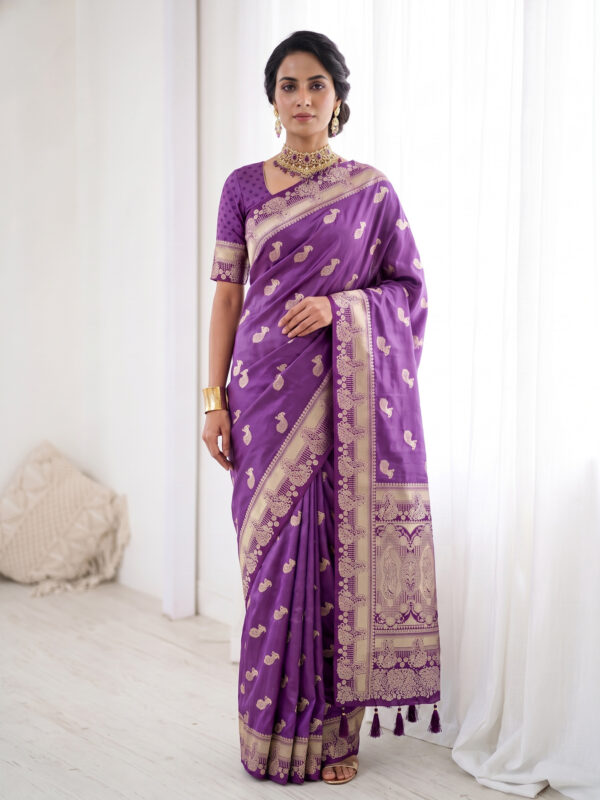
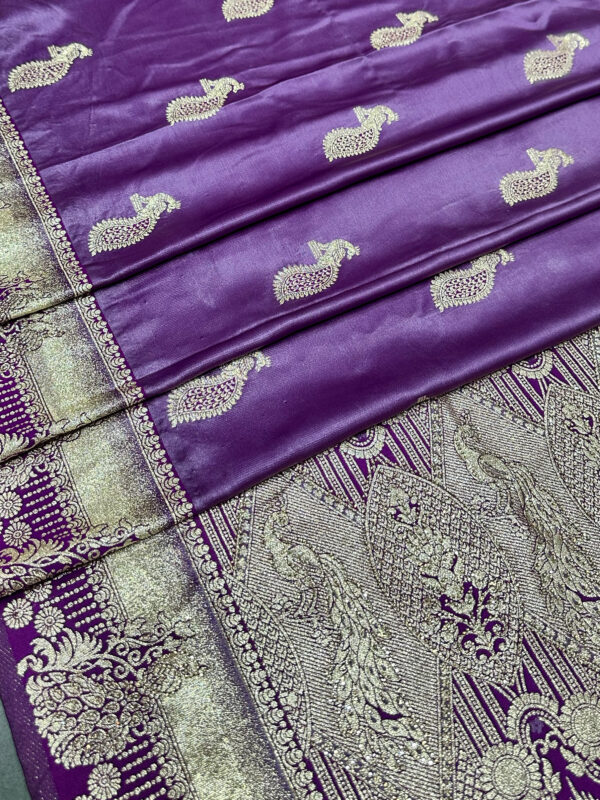
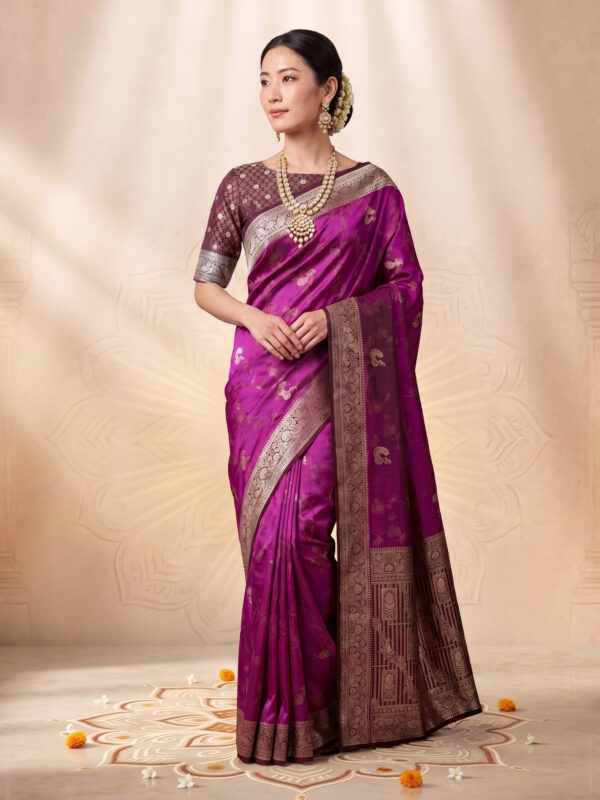
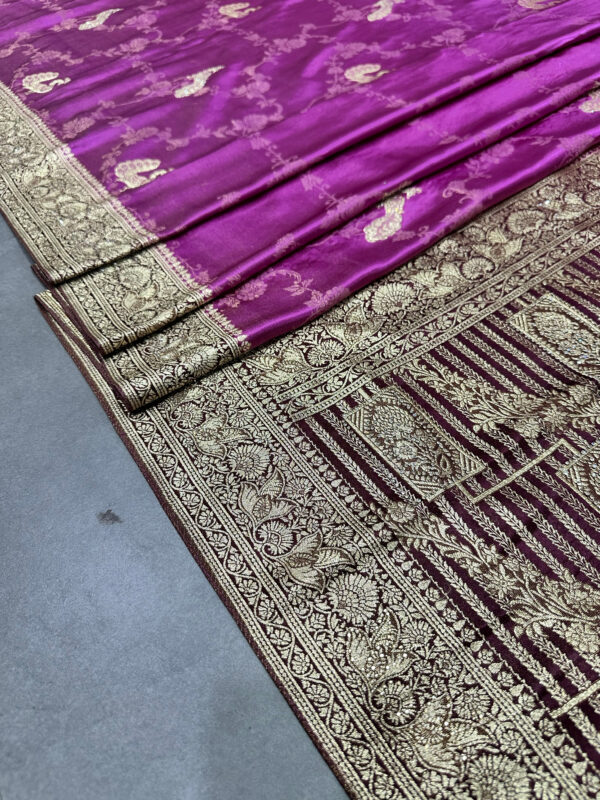
Gold and rich jewel tones remain the traditionally auspicious choice for Diwali puja evenings, and Navaarth’s satin silk sarees deliver exactly that shine without Banarasi-level weight or price. The natural sheen of satin silk catches lamplight beautifully, which is precisely why it dominates evening puja and reception orders from our UP-Bihar accounts every year.
3. Top Dyed Satin Sarees — The Shaded, Ombre Look
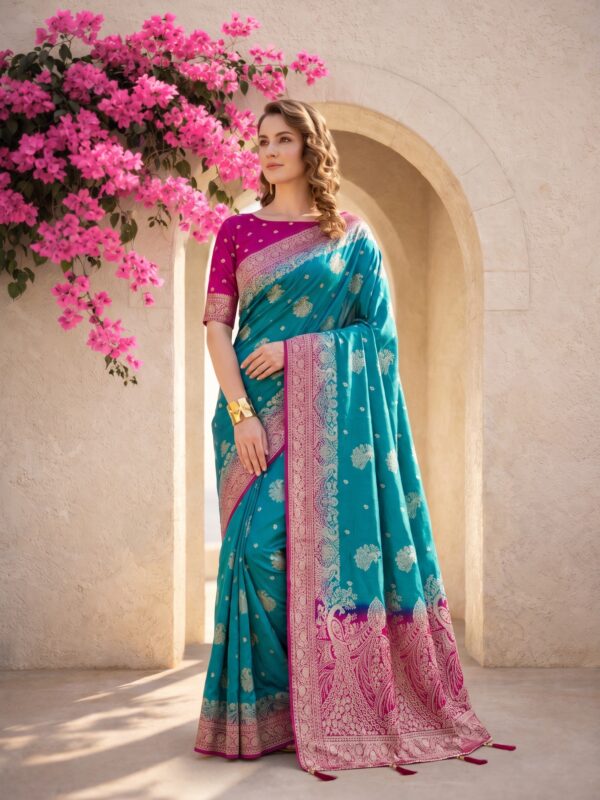
Top dyed satin is where Navaarth is seeing the sharpest growth this year. The shaded, ombre-style dye technique gives each piece a gradient richness that a flat-colour saree can’t match — and it’s proving especially popular for Durga Puja and pre-wedding functions, where buyers want something that feels premium but isn’t heavily embellished.
4. Satin Meena Sarees — Traditional Weave, Modern Finish
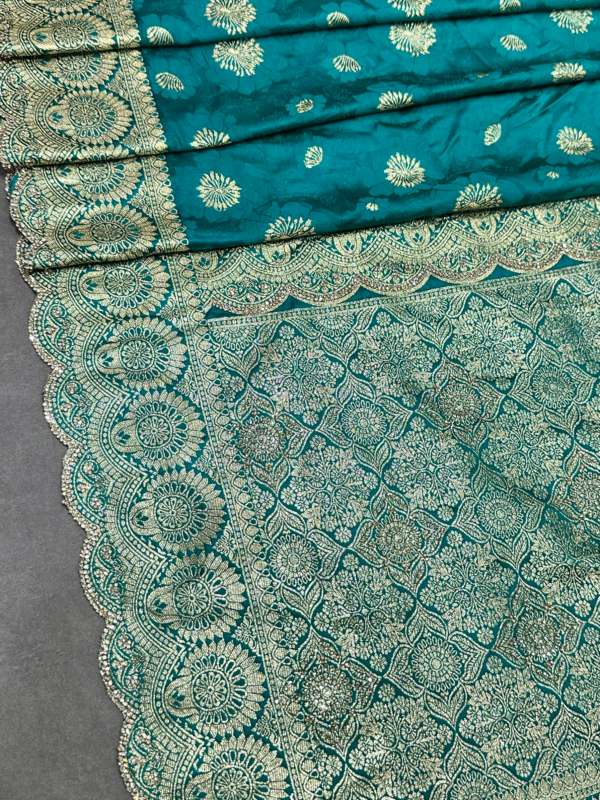
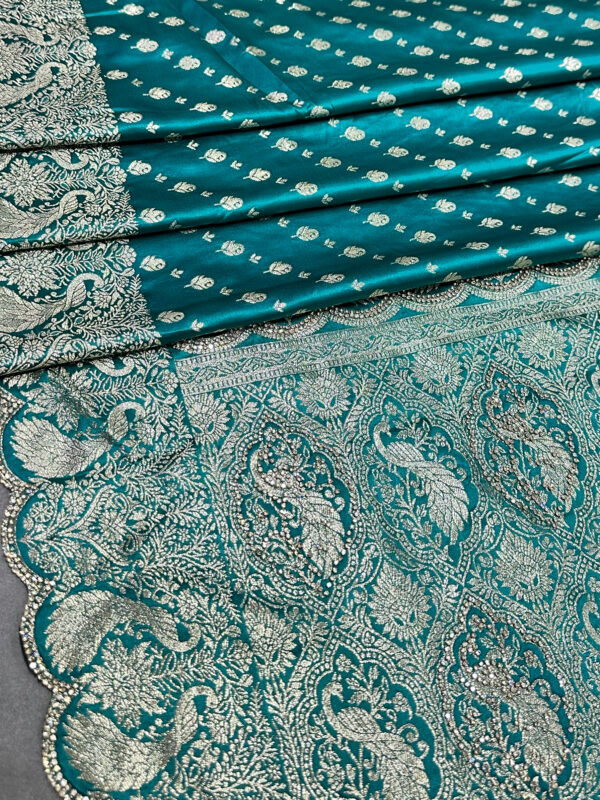
Meenakari-style detailing on a satin base is one of Navaarth’s steadiest festive sellers, and 2026 is no exception. Satin meena sarees give retailers a piece that reads as “wedding-ready” without the price tag of heavier silk weaves — an easy upsell when a customer is deciding between a plain satin and something with more festive character.
5. Soft Silk Jharkan Sarees — Lightweight Festive Shine
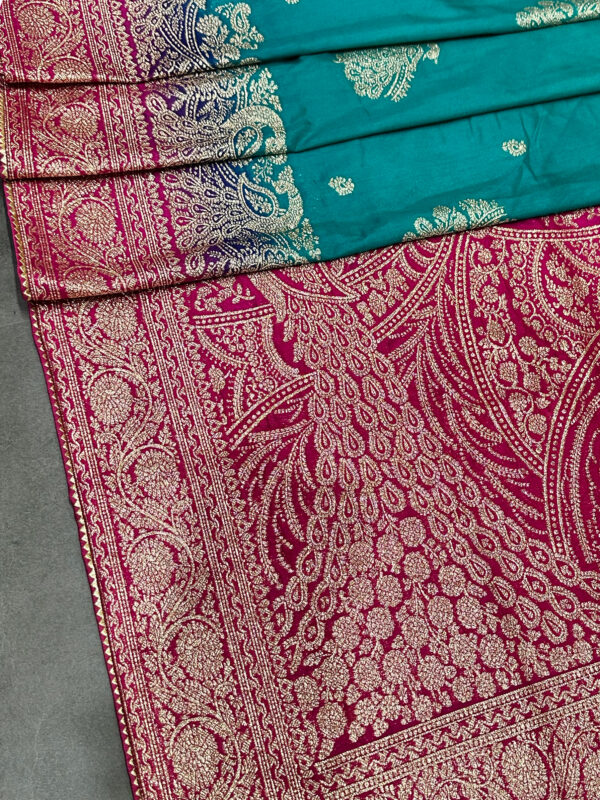
Jharkan work — fine metallic cutwork detailing — has become one of Navaarth’s most requested finishes for the UP-Bihar market this year. Soft silk Jharkan sarees give buyers that festive glimmer without the heat and weight of a heavier silk, which matters enormously during a multi-hour Chhath fast or a long Durga Puja pandal visit.
Pre-Festive Stocking Calendar: Navaarth Categories by Festival
| Festival Window | Priority Navaarth Category |
|---|---|
| Teej & Raksha Bandhan (Aug) | Printed sarees, lightweight satin silk |
| Durga Puja (Sept–Oct) | Top dyed satin, satin meena |
| Chhath Puja (Oct–Nov) | Soft silk Jharkan, printed sarees in turmeric and red tones |
| Diwali & Wedding Season (Nov–Feb) | Satin silk, satin meena, top dyed satin |
Retailers who lock in orders 6–8 weeks ahead of each window consistently get better price and design selection from Navaarth than those who order once demand has already spiked.
Source Saree Trends 2026 UP-Bihar Stock Directly From Navaarth
18 years of manufacturer-direct sourcing, live stock viewing on video call, zero middlemen markup.
Book a Video Call on WhatsAppFAQs on Saree Trends 2026 UP-Bihar
Q1. What are the top Saree Trends 2026 UP-Bihar retailers should stock first?
Navaarth’s printed sarees, satin silk sarees, and top dyed satin sarees are the fastest-moving categories this year, with satin meena and soft silk Jharkan close behind for the wedding and Diwali window.
Q2. What makes top dyed satin sarees different from regular satin sarees?
Top dyed satin uses a shaded, ombre-style dye process that gives each piece a gradient richness, rather than a flat single colour — a finish Navaarth’s UP-Bihar buyers have been ordering in growing volumes this season.
Q3. Are soft silk Jharkan sarees good for long puja days like Chhath?
Yes. Soft silk Jharkan sarees pair fine metallic cutwork detailing with a lightweight silk base, giving festive shine without the heat and weight of heavier silk weaves.
Q4. When should wholesalers place festive orders for 2026?
Ideally 6 to 8 weeks before each festival window — Durga Puja stock by mid-August, Chhath stock by early September, and Diwali or wedding-season stock by late September.
Q5. How can retailers verify quality before buying wholesale sarees from Navaarth?
A live video call with the Navaarth team, checking actual fabric, colour, and stitching before dispatch, removes most of the quality risk that comes with ordering from catalogue images alone.