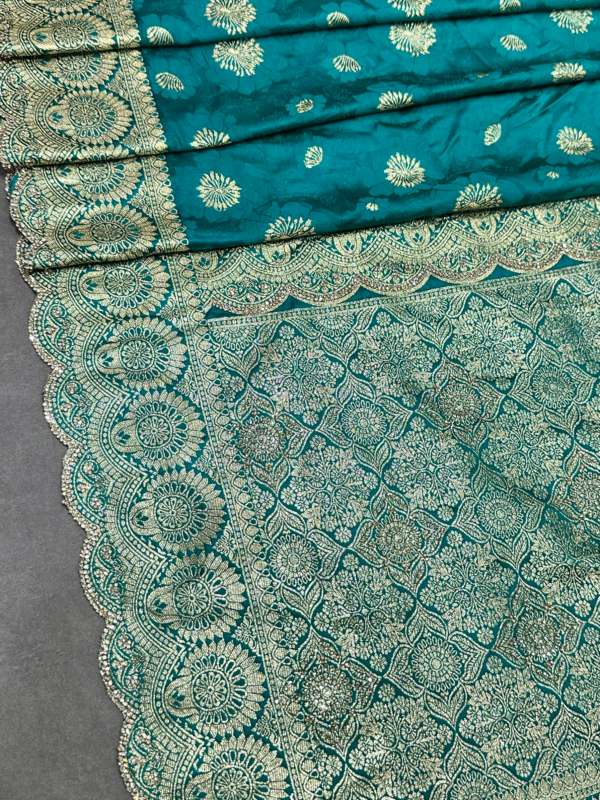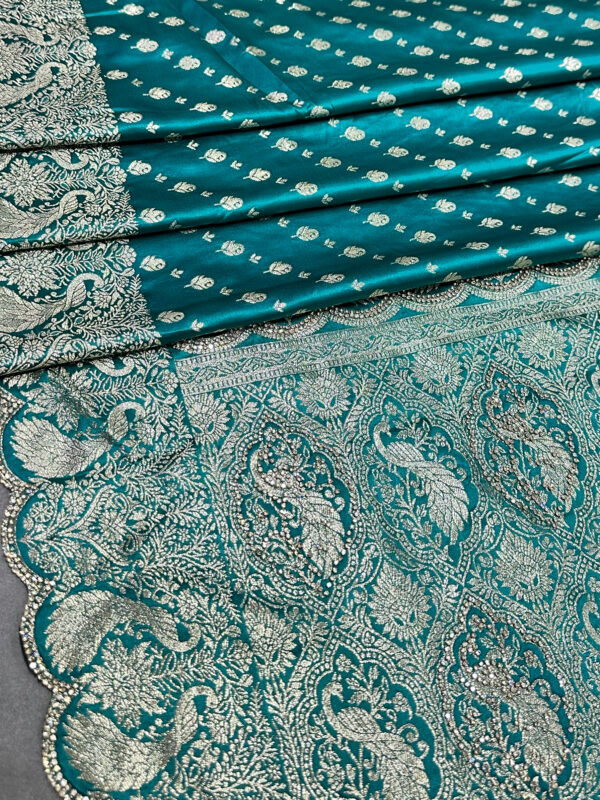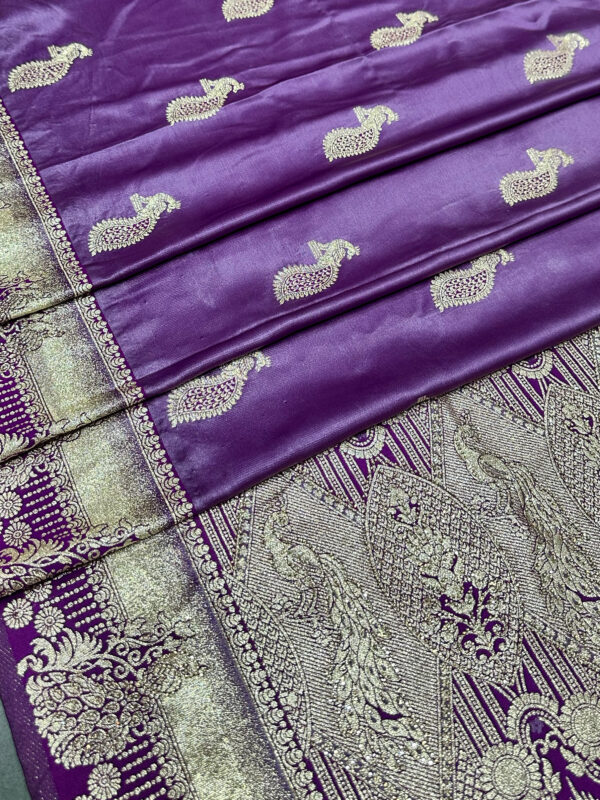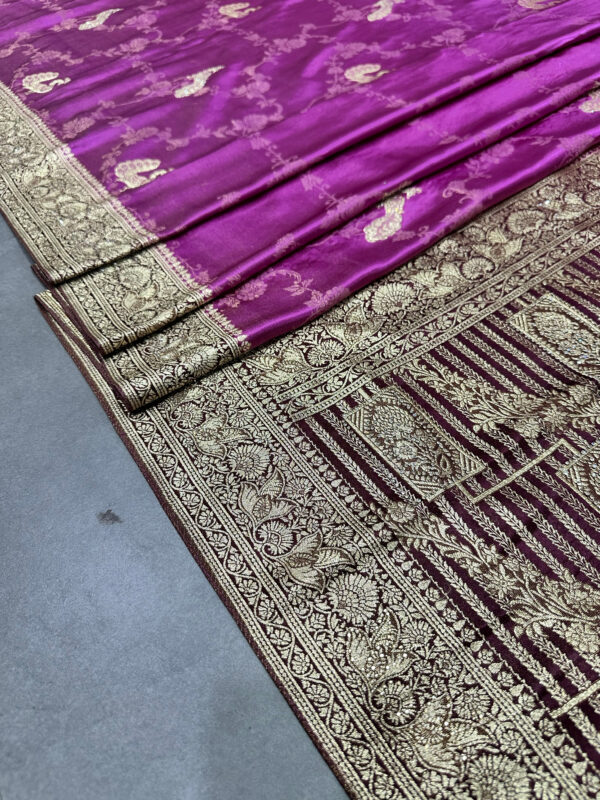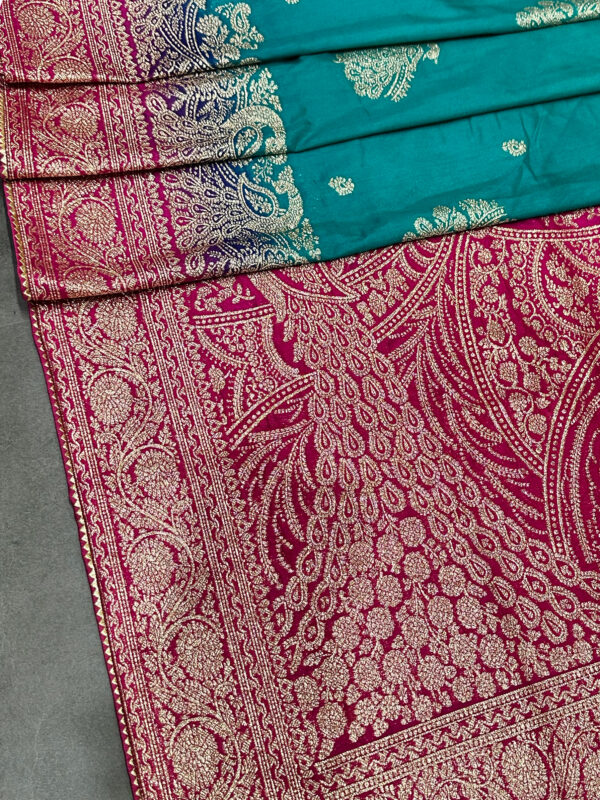

To store silk sarees properly, make sure they are clean and fully dry. Wrap each one separately in soft cotton or muslin cloth, fold it flat, and keep it in a cool, dark, well-ventilated cupboard. Never seal silk in plastic. Refold along new lines every three to six months, and keep naphthalene balls from touching the fabric.
That is the short answer. Below is the reasoning behind each step, how storage changes for different kinds of silk, and what a retailer should do differently when silk is stock rather than a personal collection.
Why silk sarees need different storage from other sarees
Silk is a natural protein fibre. It reacts badly to three things: moisture, light and pressure along the same fold line.
- Moisture causes mildew, musty smell and yellowing. Museum textile guidelines say stored textiles need some air movement, so fabric should not be sealed in air-tight plastic (Museum Textile Services).
- Light fades dyes and weakens fibre over time.
- Pressure on one fold breaks the threads at that crease. This is why old silk sarees often split along the same line.
Silk also attracts pests. University textile guidance lists silk among the protein fibres that moths and similar insects damage (University of Missouri textile care guide).

Step-by-step: how to store a silk saree
1. Air it first
Do not put a silk saree away straight after wearing it. Even a few hours of wear leaves body moisture and perfume in the fabric. Hang it on a padded hanger or spread it on a clean bed sheet in a shaded, airy spot for several hours. Do not dry it in direct sun.
2. Clean it if needed
Stains left in storage set permanently and attract insects. For pure silk and heavy zari sarees, dry clean only when really necessary. Over-cleaning also wears the fabric. Check the care label first. Soft silk and silk-blend sarees can have different care needs from pure silk.
3. Wrap each saree separately
Use soft cotton, muslin or mulmul. An old, clean, washed white cotton dupatta or bedsheet works well. Museum textile services recommend acid-free tissue or clean white cotton for wrapping, and say textiles should not touch regular paper, because most paper is acidic and damages fabric (Museum Textile Services).
Avoid newspaper, coloured tissue and plastic covers. The North Carolina Museum of History also advises against plastic dry-cleaning bags and plastic tote boxes for textiles, because plastics can harm fibres and affect dyes (NC Museum of History).
4. Fold it flat, with soft padding
Fold along the pleats and borders. Keep the zari border folded inward, so the metallic thread faces the saree and not the shelf or another saree. For heavily woven sarees, place a small roll of cotton or acid-free tissue inside each major fold so the crease is softer.
5. Stack with care
Put heavy sarees (Banarasi, Kanjivaram, heavy zari) at the bottom and light ones (georgette, organza, tissue, satin) on top. Textile conservators advise against leaving delicate pieces at the bottom of a pile under heavier items (Museum Textile Services). Keep stacks short, ideally five or six sarees, so the weight does not crush the bottom ones.
6. Choose the right place
Pick a cool, dark, dry cupboard, preferably an inner one. Avoid:
- Outer walls and cupboards next to bathrooms or kitchens
- Attics and basements
- Direct sunlight
- Cupboards that are packed so tightly that air cannot move
Textile guidance recommends keeping relative humidity steady at roughly 45 to 55 percent, because humidity above 55 percent encourages mould (Oklahoma State University 4-H textile guide). Most homes do not measure this, but the target explains why monsoon and coastal humidity are the biggest risk in India.
7. Refold and air them regularly
Every three to six months, take the sarees out, air them for a few hours in a shaded room, and refold them on new lines. In humid cities and during and after the monsoon, aim for the shorter end of that range.
Should you fold or hang silk sarees?
Fold for long-term storage. Hang only for short periods, for example a few days between wearing and folding.
Hanging stretches the weave at the shoulder point, and heavy silk and zari sarees can sag under their own weight. Museum guidance says hanging storage is only suitable for garments strong enough at the shoulders. If you do hang a saree briefly, use a wide padded hanger, not thin wire or plastic ones.
Storage by saree type
| Saree type | Best storage method | Main thing to watch |
|---|---|---|
| Heavy pure silk (Kanjivaram, Banarasi, Paithani) | Fold flat in muslin, zari border inward, refold regularly | Zari tarnish, fold-line cracks |
| Soft silk and silk blends | Fold in a cotton cover, stack with lighter pieces on top | Colour rubbing off onto other sarees |
| Georgette and satin silk | Fold loosely, store on the upper shelf | Snags, creases, slipping |
| Organza and tissue silk | Top of the pile, minimal folds, soft padding | Crushing, creases that do not come out |
| Heirloom and bridal sarees | Individual cloth wrap, rolled or lightly folded, separate shelf | Fibre fatigue, yellowing |
Check the fabric label or seller’s description to know which category your saree falls in. Pure silk, soft silk and silk-blend sarees can look similar but behave differently.
How to protect silk sarees from insects and mildew
Insects: Keep the cupboard clean, and do not store dirty sarees. Natural repellents such as neem leaves, cloves or lavender sachets are common household choices. Wrap them in a small cloth pouch and keep them from touching the silk directly.
Naphthalene balls: Many saree sellers and care guides advise against using them on silk, because the smell lingers and the chemical can stain or react with zari. If you use them, keep them in a separate sachet well away from the fabric, or skip them altogether.
Silica gel: Silica gel packets can help in humid weather. Keep them in a cloth pouch near the sarees, not on them, and replace or dry them according to the packet instructions.
Mildew: If you find a damp or musty smell, take the saree out immediately and air it in a shaded, ventilated space. If you see mould, keep the saree away from other fabrics and consult a dry cleaner who handles silk or a textile conservator.

Common mistakes people make when storing silk sarees
- Storing sarees in plastic covers or zip bags
- Keeping the same fold for years
- Folding a saree that is slightly damp or still smells of perfume
- Using newspaper or coloured paper as liners
- Packing the cupboard so tightly that air cannot move
- Putting naphthalene balls directly on silk
- Hanging heavy zari sarees for weeks
- Storing dark and light sarees together, where colour can transfer in humid weather
- Keeping the sarees in a cupboard against a damp outer wall
If you sell silk sarees: how to store silk saree stock
Retailers, boutique owners and resellers face a different problem. A personal wardrobe holds a few sarees, but a shop or a home business may hold dozens or hundreds, and stock sits for weeks. These habits help:
- Do not leave stock in shipping covers for long. Transit packaging is for transport. For stock held more than a few weeks, move sarees into breathable covers or cotton wraps.
- Keep stock off the floor. Use shelves or raised racks, particularly in the monsoon or in coastal and humid towns.
- Check stock on a schedule. Open and air your silk stock on a monthly basis during humid months. Look for damp smell, spots and pest signs.
- Rotate display pieces. A saree on display near a window or under bright shop lights can fade. Swap it with fresh pieces regularly.
- Fold display sarees differently each time. Constant creases on a display piece cause wear at the same spot.
- Keep different silk categories apart. Heavy zari sarees, soft silk, satin and georgette should not be mixed in the same stack.
- Give customers a storage card. A simple one-line card with “wrap in cotton, never plastic, refold every few months” improves the customer’s experience and reduces complaints about yellowing.
If you are building a saree business and want to source stock carefully, Navaarth’s guides on saree business from home and wholesale sarees from Surat cover how to start and what to check before ordering.
Navaarth is a Surat-based B2B saree specialist with about 18 years of manufacturer-direct wholesale supply experience. Retailers can view stock over a video call through its Surat On Call service, which lets you check fabric, zari and finish before ordering. This helps you judge whether a piece will need extra care in storage. You can browse relevant categories such as soft silk sarees, georgette silk sarees, satin silk sarees and Dola Banarasi sarees. If you are unsure about the fabric of a specific saree, our guide on how to identify a pure Kanjivaram silk saree explains what to check.
How to store silk sarees in the monsoon
The monsoon is the hardest period for silk storage in India. Humidity stays high even after the rain stops.
- Do not store any saree that feels even slightly damp
- Air your sarees during dry, breezy hours
- Move the more valuable pieces to the driest inner cupboard
- Use cloth pouches of silica gel
- Refold and inspect every month until humidity falls
- Avoid cramming extra sarees in during the festival season
How to store a silk saree for many years
For wedding, heirloom or bridal sarees:
- Clean the saree professionally before long storage
- Wrap it in clean white cotton or acid-free tissue
- Pad the folds with soft cotton rolls
- Store it in a dedicated drawer or box, away from other sarees
- Check it twice a year and refold it differently each time
- Keep a note of the saree’s fabric and care instructions inside the cover
Museum textile guidance suggests acid-free tissue or clean white cotton for padding and wrapping. For very valuable or old pieces, consult a textile conservator.
Need help sourcing silk sarees for your shop?
If you are a retailer, boutique owner or reseller looking for silk and silk-blend sarees directly from Surat, you can reach the Navaarth team through the contact page, request wholesale pricing on the request price page, email contact.navaarth@gmail.com or call 9723000982. Details on the exchange policy are on the shipping, returns and refunds page.
FAQ
Q.1 How do you store silk sarees for a long time?
Wrap each saree separately in clean cotton or muslin, fold it flat with the zari border inward, and keep it in a cool, dark, dry cupboard. Refold along new lines every three to six months.
Q.2 Is it better to hang or fold silk sarees?
Folding is better for long-term storage. Hanging for long periods stretches the fabric at the shoulder point and can strain heavy zari sarees. Use a wide padded hanger only for short periods.
Q.3 Can I store silk sarees in plastic covers?
No. Plastic traps moisture and can cause yellowing, mildew and fabric damage. Use cotton or muslin covers, which let the fabric breathe.
Q.4 How often should I refold silk sarees?
Every three to six months. In humid places or after the monsoon, check and refold more often.
Q.5 How do I protect silk sarees from insects?
Keep the cupboard clean, store only clean sarees, air the sarees regularly, and use neem leaves, cloves or lavender in cloth pouches away from direct contact with the fabric.
Q.6 Should I use naphthalene balls with silk sarees?
It is safer to avoid them. The smell lingers and they can stain or react with zari. If you use them, keep them in a separate pouch away from the fabric.
Q.7 Why has my silk saree turned yellow in storage?
Common causes are plastic covers, humidity, acidic paper such as newspaper, and lack of air movement. Move it to a breathable cotton cover and a drier place. If the yellowing is severe, consult a dry cleaner who handles silk.
Q.8 Can I keep multiple silk sarees together?
Yes, but wrap each one separately, put heavy ones at the bottom, and keep the stack short. Store dark and light colours apart.
Q.9 How should retailers store silk saree stock?
Move sarees from shipping covers to breathable wraps if they will sit for weeks, keep them on shelves off the floor, check them monthly in humid months, and rotate display pieces.